Home Electrification in India: Trends, Benefits, and Challenges
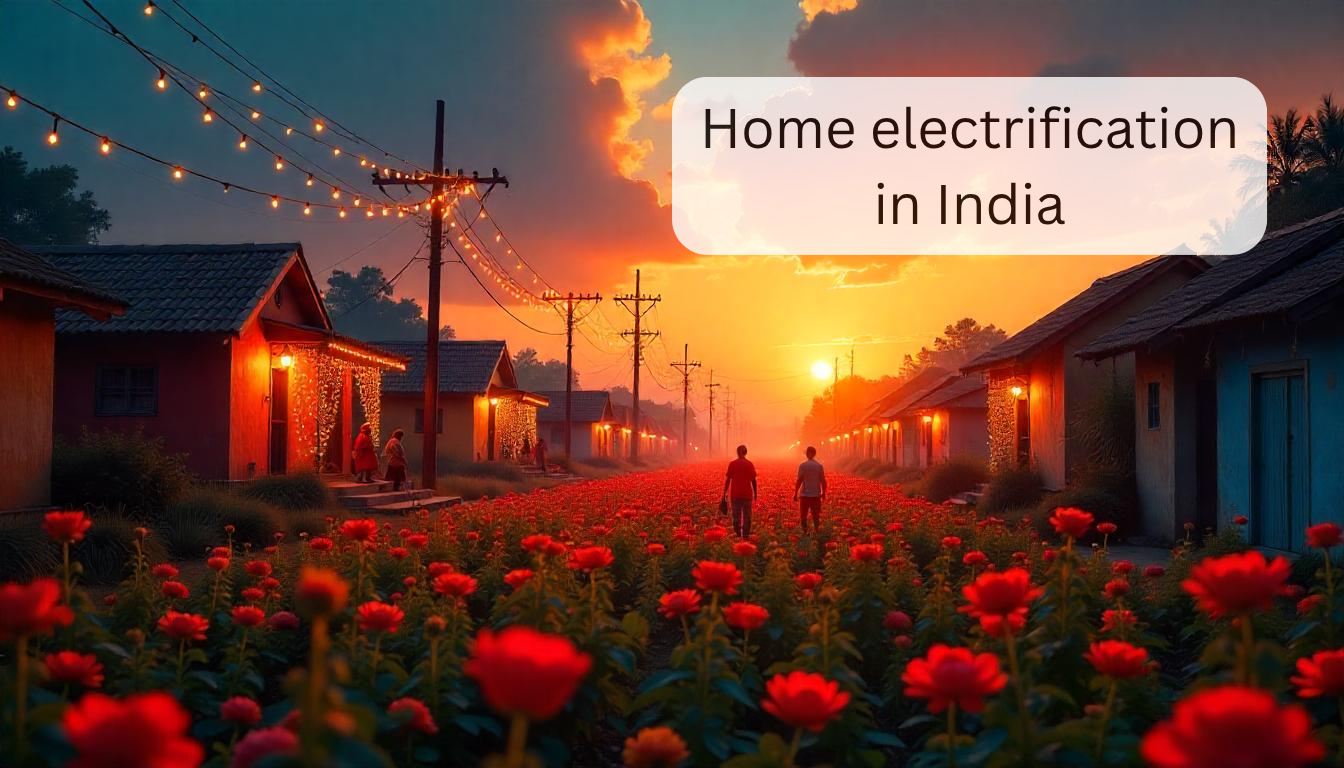
India’s journey towards universal electrification is a story of transformation, resilience, and innovation. Today, “Home electrification in India” stands as a testament to the country’s progress, with over 99% of households now enjoying access to electricity. But how did we get here, what challenges remain, and what does the future hold for millions of Indian homes? This comprehensive guide explores the evolution, achievements, and ongoing challenges of home electrification in India, weaving in essential data and insights for 2025.
The Evolution of Home Electrification in India
A Brief History of Electricity in India
The history of electricity in India dates back to the late 19th century, with the first demonstration of electric light bulbs in Kolkata in 1879. The early 20th century saw the establishment of the first hydroelectric and thermal power stations. However, electricity remained a luxury for the elite, with widespread access only becoming a policy priority post-independence. At independence, less than 0.5% of India’s villages were electrified, highlighting the scale of the challenge ahead.
The Electricity Act of 1910 and subsequent policy reforms laid the groundwork for broader access, but true momentum came with rural electrification schemes in the 21st century. The Pradhan Mantri Sahaj Bijli Har Ghar Yojana (Saubhagya), launched in 2017, marked a turning point, aiming for universal household electrification and targeting both rural and urban poor households.
Home Electrification in India: The Current Landscape
National Electrification Status
-
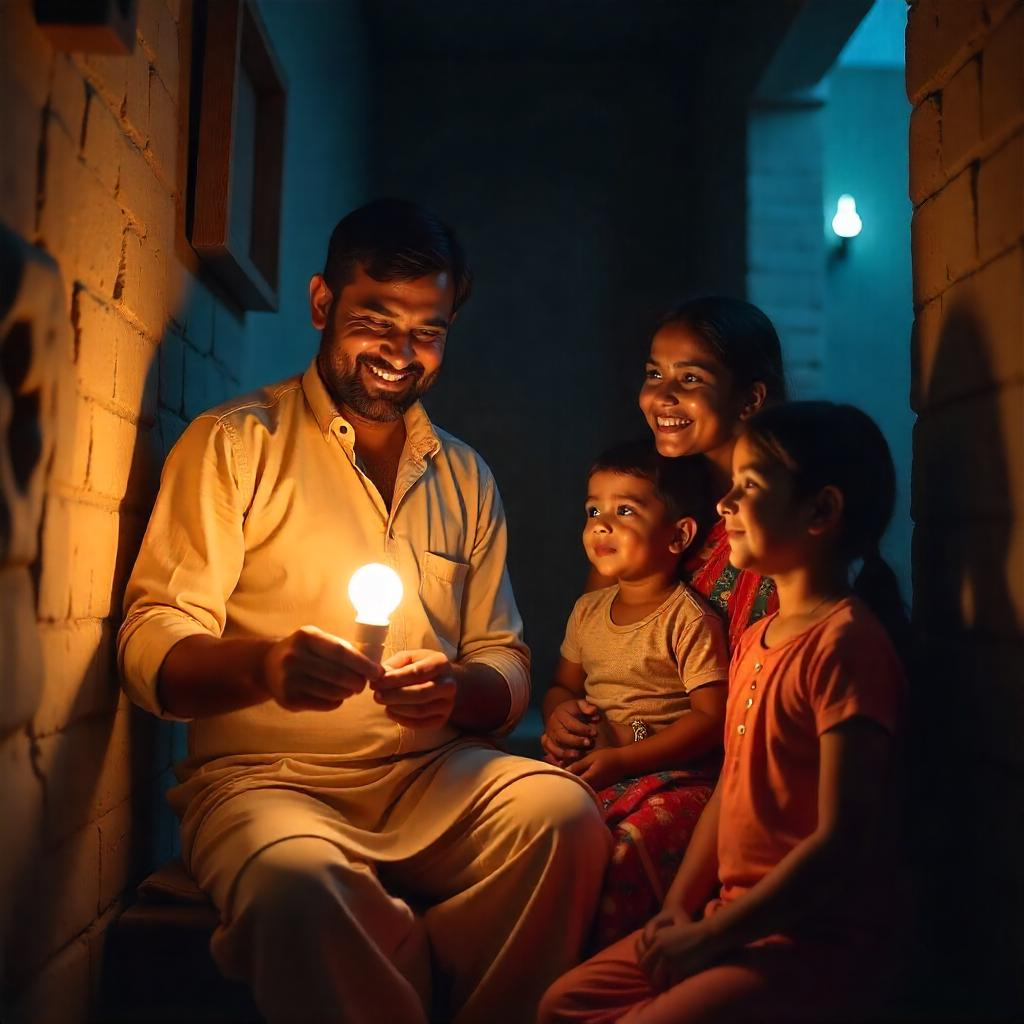
As of the end of 2024, India has achieved over 99.2% electrification, with 100% of urban households and 99% of rural households having access to electricity.
-
The Saubhagya scheme alone has provided connections to nearly 2.86 crore (28.6 million) households since 2017.
-
Only a small number of households—about 10.48 lakh—remain to be electrified, primarily in Assam, Rajasthan, Meghalaya, and Chhattisgarh.
Key Milestones
-
2018: The government declared 100% village electrification, meaning every village had at least 10% of its households connected to electricity.
-
2022-2025: The focus shifted to 100% household electrification, with states like Uttar Pradesh, Bihar, and West Bengal achieving near-total coverage.
State-wise Progress
-
25 states have achieved 100% household electrification.
-
The remaining gap is concentrated in a few states, where targeted campaigns and mobile outreach (“Saubhagya Rath”) are underway to reach the last mile.
India’s Power Generation Capacity: Meeting the Demand
Total Electricity Production in India (2025)
-
As of April 2025, India’s total installed power generation capacity is 472,468 MW.
-
The energy mix includes coal (212,718 MW), renewables (175,700 MW), large hydro (47,928 MW), nuclear (8,780 MW), and others.
-
Electricity generation in FY 2024–25 reached a record 1,821 billion units, up 5% year-on-year.
Growth in Renewable Energy
-
Since 2014, India’s installed capacity has jumped nearly 84%, driven by massive investments in solar (over 100 GW), wind (48 GW), and other renewables.
-
The government’s target of 175 GW of installed renewable energy by 2022 was a catalyst for this expansion.
Peak Demand and Grid Stability
-
India’s electricity demand is projected to peak at 273 GW in June 2025, driven by rising residential and industrial needs.
-
Seasonal fluctuations, especially during summer heatwaves, put additional pressure on the grid.
-
Investments in energy storage (battery and pumped hydro) and grid modernization are crucial to ensure reliable supply.
Access to Electricity in India: Coverage and Quality
Coverage Achievements
-
99.2% of households are electrified as of 2024.
-
Rural electrification has reached 99%, a dramatic rise from just 79.4% in 2014.
Quality and Reliability
-
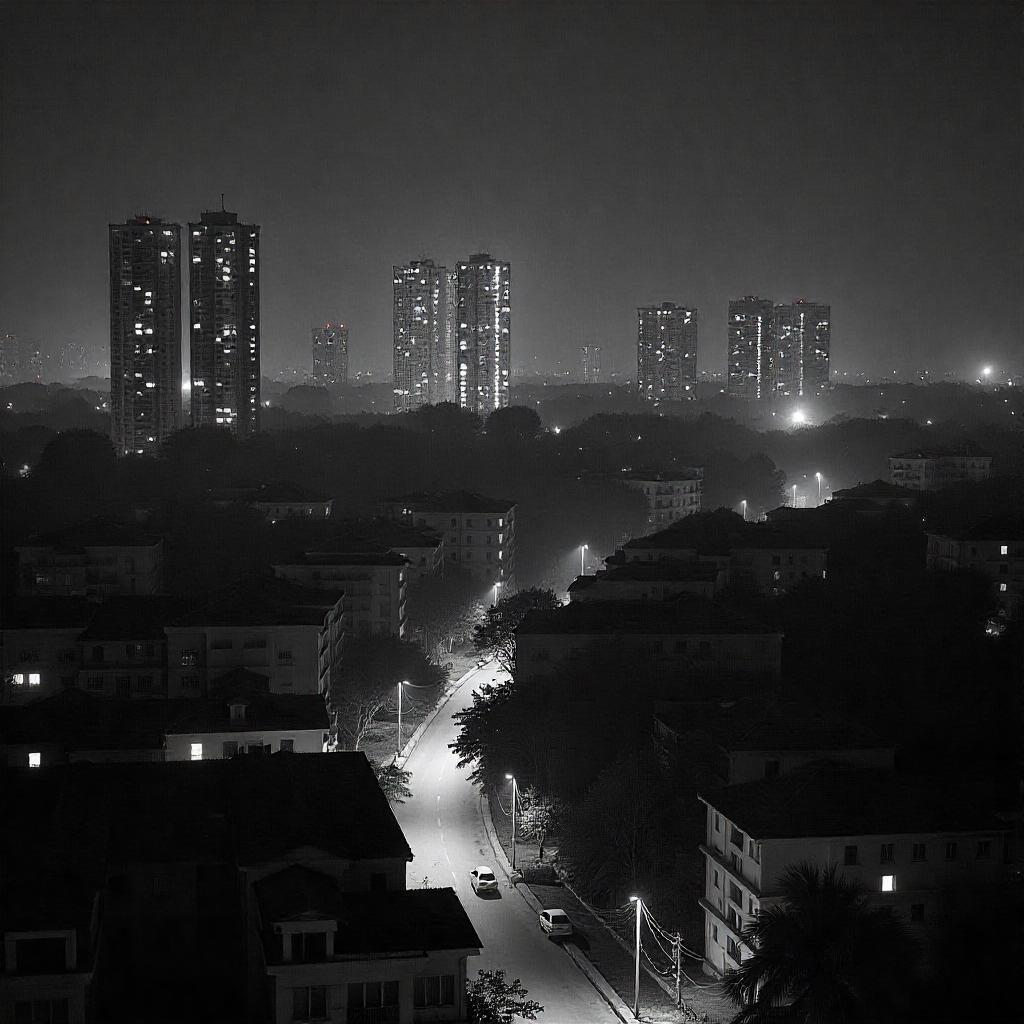
While access has improved, challenges remain in ensuring quality and uninterrupted supply, especially in rural and remote areas.
-
Disparities persist in sanctioned load and service quality, with many households having low-capacity connections.
Pre-Flood Access and Vulnerable Groups
-
Before major flood events, certain regions saw higher percentages of unelectrified households, especially among Particularly Vulnerable Tribal Groups (PVTGs).
-
Ongoing government schemes now prioritize these groups for on-grid connections.
Electricity Consumption: India vs. the World
-
The electricity consumed by one American at home is equivalent to that used by 34 Indian citizens.
-
Per capita consumption in India remains much lower than in developed countries, reflecting both economic disparities and differences in lifestyle.
State Wise Electricity Rate Per Unit in India (2025)
| State | Residential Rate (INR/kWh) |
|---|---|
| Delhi | 3 – 6 |
| Maharashtra | 7 – 8.8 |
| Gujarat | 3.5 – 6 |
| Uttar Pradesh | 4.5 – 6 |
| Bihar | 4 – 5.5 |
| Haryana | 4.7 – 6 |
| Tamil Nadu | 4.5 – 6 |
-
Rates vary based on consumption slabs, subsidies, and state policies.
-
Delhi and Gujarat offer some of the most affordable tariffs due to efficient distribution and renewable energy integration.
-
Maharashtra and Haryana have higher rates due to industrial demand and reliance on coal.
Key Government Schemes Driving Home Electrification in India
Saubhagya (Pradhan Mantri Sahaj Bijli Har Ghar Yojana)
-
Launched in 2017 to provide last-mile connectivity and free/subsidized connections to poor households.
-
Over 2.86 crore households electrified since inception.
-
Special focus on identifying and connecting left-out households through mobile outreach and helplines.
Deen Dayal Upadhyaya Gram Jyoti Yojana (DDUGJY)
-
Focused on rural electrification, feeder separation, and strengthening distribution infrastructure.
-
Supplemented Saubhagya by covering additional households.
Revamped Distribution Sector Scheme (RDSS)
-
Supports states in electrifying households missed under earlier schemes.
-
Prioritizes grid connections for PVTGs and other vulnerable populations.
Challenges and Future Directions
Remaining Barriers
-
Affordability: Some households remain unconnected due to inability to pay for connections or recurring bills.
-
Quality of Supply: Frequent outages and voltage fluctuations affect consumer satisfaction, especially in rural and remote areas.
-
Infrastructure Gaps: Transmission losses, aging infrastructure, and theft continue to pose challenges.
Opportunities
-
Renewable Energy Integration: Solar home systems and mini-grids offer solutions for remote and off-grid communities.
-
Energy Storage: Battery and pumped hydro storage are essential for balancing intermittent renewable supply.
-
Digital Metering and Smart Grids: Modernization efforts are underway to improve billing, reduce losses, and enhance reliability.
Home Electrification in India: Key Insights for 2025
-
India is on the cusp of achieving universal home electrification, with less than 1% of households left to be connected.
-
The focus is now shifting from access to quality, reliability, and sustainability.
-
Continued investments in renewable energy, grid modernization, and targeted subsidies are essential for inclusive growth.
Frequently Asked Questions
What percentage of homes in India have electricity?
As of 2025, over 99% of homes in India have access to electricity, with only a small percentage remaining unelectrified, mostly in remote or challenging regions.
What is the status of electrification in India?
India has achieved near-universal electrification, with almost all villages and urban areas connected to the grid and ongoing efforts to reach the last mile in rural and tribal communities.
Is it legal to generate your own electricity in India?
Yes, it is legal to generate your own electricity in India. Many households and businesses use rooftop solar panels or other renewable sources, and government policies support decentralized power generation.
What is the total electricity production capacity of India in 2025?
India’s total installed power generation capacity is approximately 472,468 MW, covering coal, renewables, hydro, nuclear, and other sources.
How does electricity consumption in India compare to other countries?
The average electricity consumed by one American at home is equivalent to the usage of about 34 Indian citizens, highlighting lower per capita consumption in India.
Which government schemes support home electrification in India?
Key schemes include the Saubhagya Yojana, Deen Dayal Upadhyaya Gram Jyoti Yojana (DDUGJY), and the Revamped Distribution Sector Scheme (RDSS).
What are the main challenges in achieving 100% home electrification in India
Challenges include affordability, quality of supply, infrastructure gaps, and reaching remote or vulnerable populations.
Are there state-wise differences in electricity rates for households in India?
Yes, electricity rates per unit vary by state, depending on local policies, subsidies, and the energy mix.
How reliable is electricity supply in rural India?
While access has improved significantly, some rural areas still face issues with reliability, voltage fluctuations, and occasional outages.
What is the future focus for home electrification in India?
The future focus is on improving supply quality, integrating renewable energy, modernizing the grid, and ensuring affordable and sustainable electricity for all homes.
Conclusion
Home electrification in India is not just about powering homes—it’s about powering dreams, livelihoods, and the nation’s future. As India approaches the milestone of universal electrification, the next frontier is ensuring that every home receives reliable, affordable, and sustainable electricity. Whether you’re a policymaker, a student preparing for UPSC, or a concerned citizen, staying informed about home electrification in India is crucial for shaping a brighter tomorrow.
Ready to learn more or contribute to India’s electrification journey? Share this article, join the conversation, and help light up every home in the nation.
You May Also Like :