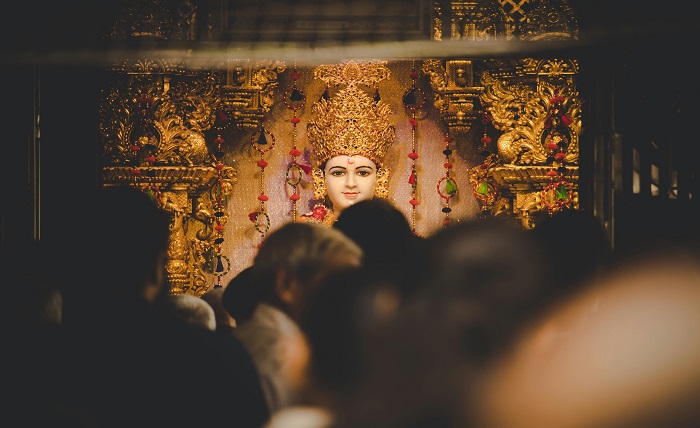
When people ask ekadashi kab ki hai, they are referring to the 11th lunar day (Ekadashi tithi) in the Hindu lunar calendar. This day comes twice every month—once during Shukla Paksha (waxing moon) and once during Krishna Paksha (waning moon). Understanding ekadashi kab ki hai is very important in Hindu tradition because this day is dedicated to Lord Vishnu and is considered highly sacred for fasting, prayer, and spiritual purification. Devotees believe that observing Ekadashi helps cleanse sins and brings peace, prosperity, and spiritual growth.
Ekadashi Kab Ki Hai: Why It Is Observed in Hinduism
The question ekadashi kab ki hai is not just about a date but also about understanding its deep religious importance. Ekadashi is observed to honor Lord Vishnu and to control physical desires through fasting and devotion. According to ancient scriptures, observing ekadashi kab ki hai helps individuals reduce negative karma and develop self-discipline. Many devotees avoid grains, rice, and heavy foods on this day and instead focus on prayer, chanting, and meditation. This spiritual practice is believed to bring devotees closer to moksha (liberation).
Ekadashi Kab Ki Hai: How the Date Is Calculated
To understand ekadashi kab ki hai, it is important to know how Ekadashi dates are calculated. The Hindu calendar follows the lunar cycle, and Ekadashi falls on the 11th tithi after the new moon and full moon. Because the moon’s movement changes slightly every month, the answer to ekadashi kab ki hai is different for every lunar cycle. Panchang (Hindu almanac) is used to determine the exact timing of Ekadashi, including sunrise, tithi start, and end time, which may vary depending on location.
Ekadashi Kab Ki Hai: Types of Ekadashi Vrat
When exploring ekadashi kab ki hai, it is important to understand that there are 24 main Ekadashis in a year, each with its own significance. Some of the most popular ones include Nirjala Ekadashi, Dev Uthani Ekadashi, and Putrada Ekadashi. Each ekadashi kab ki hai carries a unique spiritual meaning, such as health benefits, family prosperity, or spiritual awakening. Nirjala Ekadashi is considered the most difficult because devotees fast without even drinking water, while others allow partial fasting.
Ekadashi Kab Ki Hai: Fasting Rules and Rituals
Knowing ekadashi kab ki hai also involves understanding the fasting rules associated with it. On Ekadashi, devotees typically avoid grains, rice, onion, garlic, and non-vegetarian food. Instead, they consume fruits, milk, nuts, and light vegetarian meals. The main goal of observing ekadashi kab ki hai is to purify the body and mind. Devotees wake up early, take a holy bath, perform prayers to Lord Vishnu, and spend the day in chanting and spiritual activities. Breaking the fast usually happens the next day after sunrise, known as Parana.
Ekadashi Kab Ki Hai: Health and Scientific Benefits
Apart from spiritual significance, ekadashi kab ki hai also has health benefits that modern science supports. Fasting on Ekadashi gives the digestive system a break, allowing the body to detox and improve metabolism. Many people believe that following ekadashi kab ki hai improves mental clarity, reduces stress, and increases energy levels. Intermittent fasting, similar to Ekadashi fasting, is now widely recognized for its health benefits, including better digestion, weight management, and improved focus.
Ekadashi Kab Ki Hai: How to Check Upcoming Dates Easily
In today’s digital world, finding ekadashi kab ki hai has become very simple. People can use mobile apps, Hindu calendar websites, or Google search to check upcoming Ekadashi dates instantly. Panchang apps provide accurate details about ekadashi kab ki hai, including start time, end time, and fasting rules. Many devotees also follow temple announcements or religious calendars to stay updated. This ensures they never miss important fasting days and can prepare in advance for spiritual observance.
Ekadashi Kab Ki Hai: Importance in Modern Life
Even in modern times, the question ekadashi kab ki hai remains highly relevant. In a busy lifestyle, Ekadashi serves as a reminder to slow down, focus on spirituality, and take care of mental and physical health. Observing ekadashi kab ki hai helps people disconnect from material distractions and reconnect with inner peace. Many working professionals and students also follow partial fasting to maintain balance between tradition and modern life. This makes Ekadashi a meaningful practice even today.
Conclusion
In conclusion, ekadashi kab ki hai is not just about checking a date—it is about understanding a sacred tradition deeply rooted in Hindu spirituality. From its calculation based on lunar cycles to its health, mental, and spiritual benefits, Ekadashi plays a vital role in millions of lives. Knowing ekadashi kab ki hai helps devotees stay connected with their faith, practice discipline, and improve overall well-being. Whether observed strictly or partially, Ekadashi remains a powerful spiritual practice that continues to guide people toward a balanced and meaningful life.
FAQs
1.What does ekadashi kab ki hai mean?
The phrase ekadashi kab ki hai means asking for the date of the Ekadashi tithi in the Hindu lunar calendar.
2.How many Ekadashis are there in a year?
There are usually 24 Ekadashis in a year, and knowing ekadashi kab ki hai helps devotees observe them correctly.
3.Why is Ekadashi fasting important?
Understanding ekadashi kab ki hai is important because fasting on this day is believed to purify the mind, body, and soul.
4.Can everyone observe Ekadashi fast?
Yes, anyone can follow ekadashi kab ki hai, but fasting levels may vary based on age, health, and personal ability.
5.How can I find ekadashi kab ki hai quickly?
You can easily check ekadashi kab ki hai using mobile apps, online Panchang, or simple Google search.