Introduction
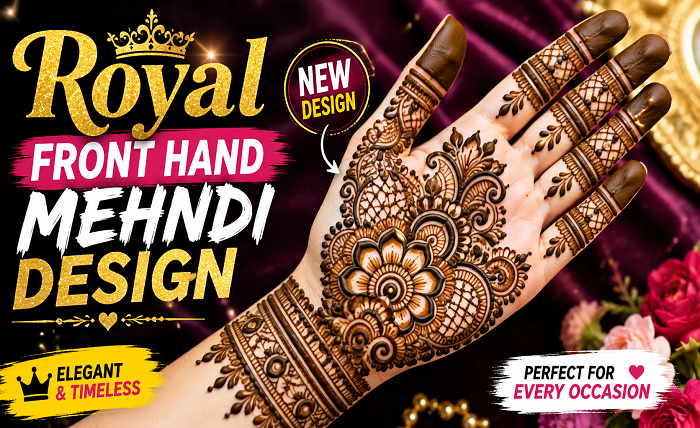
A royal front hand mehndi design is one of the most beautiful and timeless forms of body art that enhances the elegance of any occasion. From weddings and engagements to festive celebrations, a royal front hand mehndi design adds a touch of sophistication and cultural charm to your overall appearance. Women of all ages love intricate mehndi patterns because they symbolize beauty, tradition, and celebration.
The popularity of the royal front hand mehndi design has grown significantly in recent years due to social media trends and evolving artistic techniques. Modern artists combine traditional motifs with contemporary elements, creating unique patterns that suit every personality and event. Whether you prefer floral details, mandala artwork, or Arabic-inspired patterns, there is a royal front hand mehndi design perfect for your style.
In this comprehensive guide, we will explore different styles, trends, benefits, and tips related to the royal front hand mehndi design to help you choose the perfect look for your next special occasion.
Why Royal Front Hand Mehndi Design Is So Popular
A royal front hand mehndi design remains a favorite choice because of its luxurious appearance and detailed craftsmanship. Unlike simple patterns, these designs feature elaborate motifs that cover a significant portion of the hand, creating a rich and majestic look.
One reason a royal front hand mehndi design is highly sought after is its versatility. It can complement traditional attire such as sarees, lehengas, and salwar suits while also pairing beautifully with modern outfits. The detailed patterns instantly elevate your appearance and make your hands look graceful and elegant.
Another factor contributing to the popularity of the royal front hand mehndi design is its cultural significance. In many traditions, mehndi is considered auspicious and symbolizes happiness, prosperity, and love. Applying a royal front hand mehndi design during weddings and festivals enhances the festive spirit and creates memorable experiences.
The intricate artistry involved in a royal front hand mehndi design also attracts individuals who appreciate creativity and craftsmanship. Every pattern tells a story through its detailed lines, curves, and motifs, making each design unique and meaningful.
Traditional Royal Front Hand Mehndi Design Patterns
Traditional patterns continue to inspire modern artists and remain an essential part of every royal front hand mehndi design. These classic motifs have been passed down through generations and still hold immense cultural value.
Floral patterns are among the most common elements found in a royal front hand mehndi design. Beautiful flowers, leaves, and vines create an elegant flow across the hand, resulting in a balanced and attractive appearance. These floral elements can be combined with intricate shading and detailing for a truly royal effect.
Peacock motifs are another iconic feature of a royal front hand mehndi design. The peacock symbolizes beauty and grace, making it a popular choice for bridal mehndi. Artists often create detailed feathers and decorative accents to enhance the grandeur of the design.
Mandala patterns also play a significant role in a royal front hand mehndi design. Circular mandalas symbolize harmony and completeness while adding a symmetrical and sophisticated touch to the artwork. They are often placed in the center of the palm and surrounded by complementary patterns.
Paisley motifs, inspired by traditional Indian and Persian art, are another staple of the royal front hand mehndi design. Their curved shape allows artists to create intricate arrangements that flow naturally across the hand and fingers.
Modern Trends in Royal Front Hand Mehndi Design
The world of mehndi art continues to evolve, and modern interpretations of the royal front hand mehndi design are becoming increasingly popular. Contemporary artists blend traditional elements with innovative techniques to create fresh and stylish patterns.
Minimalist elegance is a growing trend in the royal front hand mehndi design category. Instead of covering the entire hand, artists focus on strategic placement and detailed motifs that create a sophisticated appearance without overwhelming the design.
Jewelry-inspired patterns are another exciting trend in the royal front hand mehndi design landscape. These designs mimic bracelets, rings, and hand chains, giving the illusion of intricate jewelry crafted directly onto the skin.
Fusion styles have also transformed the royal front hand mehndi design industry. Artists combine Arabic, Indian, Moroccan, and contemporary influences to create distinctive patterns that stand out from traditional designs.
Personalization is becoming increasingly important in the royal front hand mehndi design process. Many brides and clients request customized motifs that reflect their personalities, interests, or special memories. This customization adds sentimental value and makes the design truly unique.
Choosing the Perfect Royal Front Hand Mehndi Design for Weddings
A wedding is one of the most significant occasions where a royal front hand mehndi design takes center stage. Brides often spend considerable time selecting a design that complements their outfit, jewelry, and overall wedding theme.
When choosing a royal front hand mehndi design for a wedding, consider the complexity of the pattern. Intricate bridal designs often cover the entire front hand and extend toward the wrists and forearms, creating a luxurious and regal appearance.
The choice of motifs is equally important when selecting a royal front hand mehndi design. Traditional symbols such as peacocks, lotus flowers, and bride-and-groom figures add cultural significance and enhance the storytelling aspect of the design.
Color intensity also plays a role in the effectiveness of a royal front hand mehndi design. Darker mehndi stains create a more striking visual impact and are often associated with bridal beauty and tradition.
It is advisable to schedule the application of a royal front hand mehndi design one or two days before the wedding. This allows sufficient time for the color to develop fully and achieve its richest shade.
Tips to Make Your Royal Front Hand Mehndi Design Last Longer
Proper aftercare is essential for maintaining the beauty of a royal front hand mehndi design. Following a few simple steps can help ensure a darker stain and longer-lasting results.
After applying a royal front hand mehndi design, allow the paste to dry naturally without using artificial heat. Natural drying helps the mehndi adhere better to the skin and enhances color development.
Keeping the dried paste on the skin for several hours can significantly improve the appearance of a royal front hand mehndi design. Many people prefer leaving the paste on overnight for optimal results.
Applying a mixture of lemon juice and sugar can help secure the royal front hand mehndi design and encourage deeper color penetration. This traditional technique has been used for generations to enhance mehndi stains.
Avoid washing your hands immediately after removing the paste from the royal front hand mehndi design. Water can interfere with the oxidation process and reduce the intensity of the final color.
Using natural oils such as coconut or eucalyptus oil can help protect the royal front hand mehndi design and maintain its vibrant appearance for a longer period.
Best Occasions to Wear Royal Front Hand Mehndi Design
A royal front hand mehndi design is suitable for a wide variety of celebrations and cultural events. Its versatility makes it a popular choice throughout the year.
Weddings are undoubtedly the most common occasion for a royal front hand mehndi design. Brides, bridesmaids, and family members often adorn their hands with elaborate patterns to celebrate the joyous event.
Festivals such as Eid, Diwali, Karva Chauth, and Teej are also ideal opportunities to showcase a royal front hand mehndi design. These celebrations emphasize tradition and beauty, making mehndi an essential part of the festivities.
Engagement ceremonies often feature a royal front hand mehndi design to add elegance and charm to the occasion. Intricate patterns complement formal attire and create stunning photographs.
Family gatherings and cultural functions provide additional opportunities to wear a royal front hand mehndi design. Even a moderately detailed pattern can enhance your overall look and make the event more memorable.
Many women also choose a royal front hand mehndi design for birthdays, anniversaries, and special celebrations because of its artistic appeal and timeless beauty.
How to Select the Right Royal Front Hand Mehndi Design
Choosing the ideal royal front hand mehndi design requires careful consideration of several factors. The right design should reflect your personal style while complementing the occasion.
Hand size is an important consideration when selecting a royal front hand mehndi design. Larger hands can accommodate highly detailed patterns, while smaller hands may benefit from balanced designs that avoid excessive crowding.
Your outfit should also influence your choice of royal front hand mehndi design. Coordinating motifs and overall aesthetics can create a harmonious appearance that enhances your entire look.
The event’s formality level can help determine the complexity of the royal front hand mehndi design. Grand occasions may call for elaborate patterns, while simpler gatherings may suit minimalist styles.
Consulting an experienced mehndi artist is another effective way to find the perfect royal front hand mehndi design. Professional artists can recommend patterns that match your preferences and ensure excellent execution.
Ultimately, the best royal front hand mehndi design is one that makes you feel confident, beautiful, and connected to the cultural significance of mehndi art.
Conclusion
A royal front hand mehndi design is more than just decorative body art; it is a symbol of tradition, beauty, creativity, and celebration. Whether you are preparing for a wedding, engagement, festival, or special event, a thoughtfully chosen royal front hand mehndi design can transform your appearance and leave a lasting impression.
From traditional floral motifs and peacock patterns to modern minimalist trends and personalized artwork, the world of royal front hand mehndi design offers endless possibilities. By selecting the right design and following proper aftercare techniques, you can enjoy a stunning mehndi stain that enhances your elegance and celebrates cultural heritage.
FAQs
1. What is a royal front hand mehndi design?
A royal front hand mehndi design is an intricate and luxurious mehndi pattern applied to the front side of the hand, featuring detailed motifs such as flowers, peacocks, mandalas, and traditional artwork.
2. Which occasions are best for a royal front hand mehndi design?
A royal front hand mehndi design is ideal for weddings, engagements, festivals, family celebrations, cultural events, and other special occasions.
3. How long does a royal front hand mehndi design last?
A royal front hand mehndi design typically lasts between one and three weeks, depending on skin type, aftercare, and the quality of the mehndi used.
4. How can I make my royal front hand mehndi design darker?
To achieve a darker royal front hand mehndi design, leave the paste on for several hours, use lemon-sugar solution, avoid water immediately after removal, and apply natural oils.
5. Can beginners choose a royal front hand mehndi design?
Yes, beginners can choose a royal front hand mehndi design with moderate detailing. Many artists offer customized patterns that balance elegance with simplicity while maintaining a royal appearance.