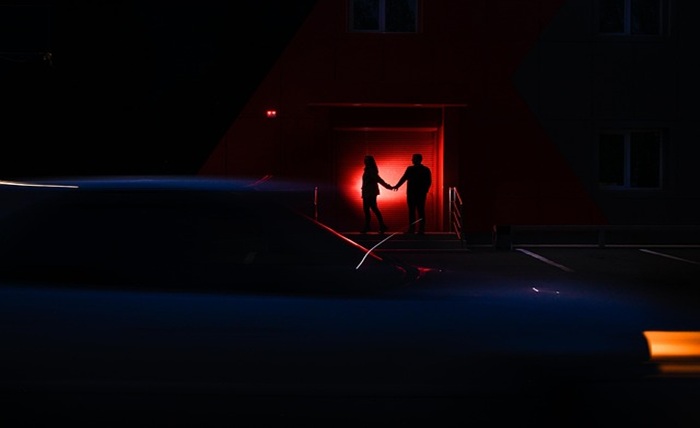
There are darknesses in life and there are lights. Even the darkest night will end and the sun will rise. You must be the change you wish to see in the world.
Dark Nights End, Hearts Learn to Rise
There are darknesses in life that arrive without announcement, moments when hope feels distant enough to seem fictional. Pain enters every human story in different forms, but its mission is the same—testing belief, stretching endurance, demanding strength we didn’t know we possessed. Yet no night has ever been powerful enough to cancel morning permanently. The darkest hours convince us that light has abandoned us, but dawn works on certainty, not despair. The people who shine brightest later are often those who once carried shadows long enough to memorize their shape. Darkness is not a verdict, it is a classroom.
Strength Returns Where It Once Left
The world breaks everyone first, and only later asks what remained standing. Strength does not return whole—it returns wiser. Healing is not a single moment, it is reconstruction in motion. The cracks in a person do not disqualify them; they redirect them. Broken places become reinforced places, the very coordinates where resilience negotiates its comeback. Pain leaves evidence, but healing collects interest. The strong are not those who avoided collapse, but those who rebuilt without demanding a refund on the journey. Strength grows back strategically, thickest where it was most required.
Scars Become History, Not Identity
Scars are biographies written in shorthand. They summarize survival without narrating defeat. What once injured us eventually instructs us. Scars are not decorative—they are directional. They tell stories not of what was lost, but of what refused to disappear completely. The tragedy is not being wounded, it is believing wounds were meant to become your personality. When scars mature into history, they stop behaving like dictators. They become references instead of residences. A healed person does not forget the wound—they forget its authority to define the rest of the narrative.
We See Proof for What We Expect
People generally see what they look for, and miss the rest not by accident but by training. The mind does not observe neutrally; it recruits evidence for its internal manifesto. If someone anticipates rejection, silence sounds like abandonment. If someone expects betrayal, honesty feels suspicious. Perception is not optical—it is editorial. The world does not tailor itself to our expectations, but our expectations tailor the meaning we extract from the world. The growth assignment is not demanding clearer skies, but clearer observation. Better perception begins when expectation stops impersonating truth.
Listening Begins After Internal Noise Stops
Hearing is biological, but listening is personal labor. We listen not for words, but for confirmation of our emotional predictions. Conversations fail not because words were missing, but because presence was. The best listeners are not silent—they are curious without rehearsal for contradiction. Listening is hospitality for another person’s internal world. When you listen for tenderness, even imperfect sentences sound sincere. When you listen for ego, humility sounds like weakness. We hear not what was said, but what we were prepared to metabolize. Understanding begins not when we speak better, but when we listen deeper.
Inquiry Is Ownership, Not Interruption
The unexamined life is not silent, it is expensive. Many live moving fast but not accurately, breathing loudly but questioning quietly or not at all. Self-inquiry is the only door a person owns completely. When motives are not examined, behavior feels inherited instead of chosen. We defend without naming our triggers, love without auditing our contracts, speak without knowing why silence once felt safer. Inquiry feels like delay, but it is direction. Questions are not distractions—they are alignment tools. Purpose is not delivered by the world, it is extracted by the individual brave enough to interrogate their internal machinery.
Purpose Is Excavated, Not Invented
Meaning does not emerge from motion, but accuracy of motion. Many spend years running from something they never officially named. Purpose begins when a person stops sprinting from themselves and starts sprinting toward a version they can finally explain. Purpose does not deny fear—it audits it. It does not erase pain—it contextualizes it. Purpose grows when questions become unavoidable: Why did disappointment feel familiar? Why did approval feel necessary? Why did conflict feel catastrophic? Why did rest feel like guilt? These are not sentimental questions—they are financial. Emotional bankruptcy begins not when pain arrives, but when inquiry never does. Purpose rises not from comfort, but clarity.
Change Begins When One Person Starts First
You must be the change you wish to see in the world, not because the world is waiting for you, but because change is contagious only when embodied. Many want the world rewritten, but refuse to edit their own first paragraph. Change is not heroic symbolism—it is behavioral consistency. If dishonesty wounded you, honesty becomes protest. If injustice hurt you, refusing to imitate it becomes activism. If silence protected you once, speaking now becomes reconstruction. Change is not dramatic speech—it is quiet defiance practiced daily without applause. The world shifts most convincingly around the people who do not demand transformation before demonstrating it.
Laughter Is Oxygen for the Tired Heart
The most wasted of all days is one without laughter, not because nothing hurt that day, but because joy was never invited inside it. Achievement can manufacture outcomes, but not presence. Laughter proves emotional attendance. It interrupts seriousness the way sunlight interrupts cold. Many think laughter means the world was kind that day. In truth, laughter means you were kind to yourself that day. You allowed joy to enter without verifying qualification. A day becomes lived not when it behaved perfectly, but when you allowed your heart to make a sound that wasn’t apology or defense.
Tender Hearts Outlive the Hardest Winters
There is no charm equal to tenderness of heart, especially in people who learned it the hard way. Tenderness is not weakness—it is refined survival. A massive heart is not naïve; it is spacious enough to hold sorrow without being owned by it. Tender hearts break differently—they break open, not down. Tenderness is courage with warmth. It is the refusal to let bitterness graduate into personality. The world does not make hearts tender; survival does. Tenderness is what remains when retaliation was available, but dignity was chosen instead.
The Only Way Out Is Through the Story
The best way out is always through, not around. Avoidance delays pain but multiplies confusion. Endurance is not passive suffering—it is forward negotiation. You walk through the fire not to prove bravery, but to end the fire’s job of chasing you. Pain that is confronted becomes information. Pain that is avoided becomes mythology. Through is not the hardest route—it is the shortest honest one. The exit is not a secret door; it is the courage to finish the chapter instead of memorizing only the injury in it.
Beauty Does Not Disappear Because It Hurt
Everything can be beautiful and still hurt at the same time. Beauty is not the absence of injury, it is the refusal to let injury blind perception entirely. Whatever our souls are made of, they are stitched from the same emotional fabric—hope, grief, longing, tenderness, contradiction, memory, desire, direction. The past is never dead. It is not even past because it keeps applying for relevance until it is re-contextualized. The past is not the villain; misunderstanding it as permanent biography is. Beauty returns when the heart is listened to without argument.
Looking for Light Makes Light Find You First
Light begins noticing the people who notice it. Tenderness recognizes the hearts that stopped hiding it. Truth becomes audible when internal noise stops impersonating it. Change succeeds not because it was loud, but because it was daily. The sun rises not because the world behaved, but because rising is its promise. The world breaks everyone, but it cannot own anyone who finally learned to listen, inquire, rebuild, pursue, speak, empathize, and laugh without justification. The strongest people are not the unbroken—they are the ones who can still believe in light while walking through night’s final argument.